Blanc de blancs, blanc de noirs, rosé: reading a champagne through its grapes
On a champagne label, the terms blanc de blancs and blanc de noirs often puzzle people. They say nothing about dosage or vintage, but about the grape varieties that make up the wine — and therefore its style. Understanding these words means knowing in advance whether your champagne will be lively and chiselled or full-bodied and vinous. Let’s decode them.
Three grape varieties, two grape colours
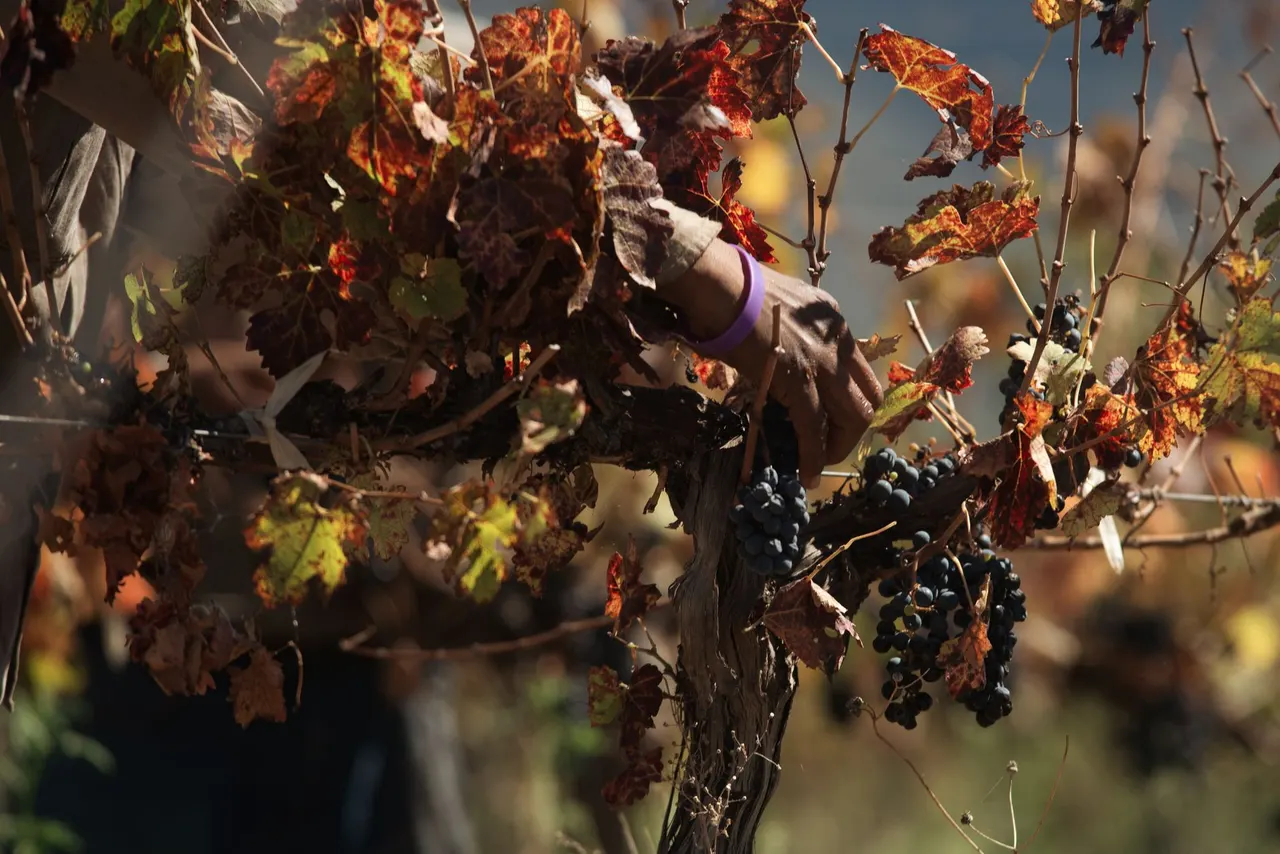
Champagne rests mainly on three grape varieties: chardonnay (a white grape), pinot noir and pinot meunier (black grapes with white juice). This is a key point: you can make a white wine from black grapes, provided you press gently and don’t let the skins colour the juice. All the “blanc de blancs / blanc de noirs” vocabulary flows from this. (We cover each variety in detail in our article on champagne grape varieties.)
Blanc de blancs: 100% white grapes
A blanc de blancs is made exclusively from white grapes — in Champagne, almost always chardonnay. The result: a lively, fine, chiselled champagne, marked by freshness, citrus and lovely minerality, especially when it comes from the Côte des Blancs (Avize, Cramant, Le Mesnil-sur-Oger). It is the style of choice for the aperitif and for lovers of tension and elegance.
Blanc de noirs: 100% black grapes, vinified as white
A blanc de noirs is produced solely from black grapes — pinot noir and/or meunier — pressed as white. The wine gains in body, vinosity and generosity: notes of ripe fruit and nuts, a fuller texture. It is enjoyed at the table, with poultry or a slightly richer dish. The terroirs of the Montagne de Reims (pinot noir) and the Vallée de la Marne (meunier) are fine sources of it.
Assemblage: the most common case
Most champagnes are neither blanc de blancs nor blanc de noirs: they are assemblages of the three grape varieties, proportioned to match the style the house is after. Chardonnay brings finesse, pinot noir brings structure, and meunier brings fruit and roundness. The assemblage — across varieties, across plots, and sometimes across years — is the great art of the cellar master.
And where does rosé fit in?
Rosé is not a matter of grape variety but of colour: it is obtained through assemblage (adding a little red wine from the region) or saignée (a brief maceration of the skins). It can therefore come from various grape varieties. We devote a full article to it: rosé champagne.
Summary table
| Term | Grape varieties | Grape colour | Style |
|---|---|---|---|
| Blanc de blancs | Chardonnay (white grapes) | White | Lively, fine, mineral |
| Blanc de noirs | Pinot noir / meunier | Black (pressed as white) | Full, vinous, fruity |
| Assemblage | The three grape varieties | White + black | Balanced, versatile |
| Rosé | Variable (assemblage/saignée) | — | Fruity, generous |
In short
- Blanc de blancs = 100% white grapes (chardonnay) → lively and chiselled.
- Blanc de noirs = 100% black grapes vinified as white → full and vinous.
- Assemblage = the three grape varieties, the most common case.
- Rosé = a matter of colour, not of grape variety.
To go further, discover the champagne grape varieties, the glossary, or find the style that suits you with our taste quiz.