The Grape Varieties of Champagne: Chardonnay, Pinot Noir and Meunier
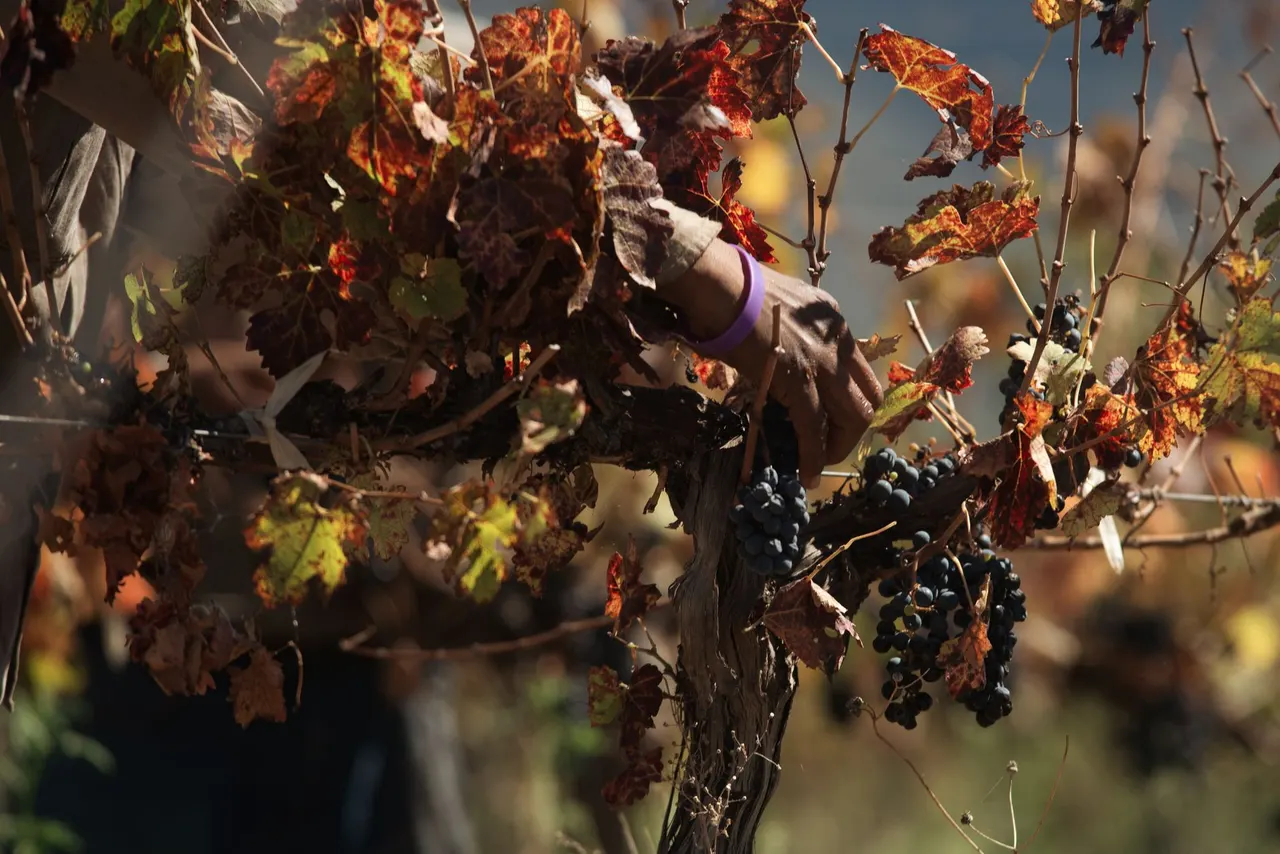
Champagne is built mainly on three grape varieties, joined by a handful of rare, historic varieties. Understanding their role helps you read a label and choose the style you want.
The three main grape varieties
Chardonnay
The only major white grape of Champagne, it brings finesse, freshness and minerality. It is the king grape of the Côte des Blancs. A 100% Chardonnay Champagne is known as a blanc de blancs.
Pinot Noir
A black grape with white juice, it lends structure, body and power to blends. It reigns over the Montagne de Reims and the Côte des Bar.
Pinot Meunier
Another black grape, softer and fruitier, it brings roundness and generosity and copes well with the cool climate of the Vallée de la Marne. Long kept discreet on labels, it is now gaining recognition.
Blanc de blancs, blanc de noirs: what do they mean?
- Blanc de blancs: Chardonnay only.
- Blanc de noirs: black grapes only (Pinot Noir and/or Meunier), vinified without maceration to produce a white wine.
These mentions often appear on the label. You will find them in our glossary.
The forgotten grape varieties
The regulations also allow historic varieties that are very much in the minority today: Arbane, Petit Meslier, Pinot Blanc and Fromenteau (Pinot Gris). A few growers still cultivate them for confidential cuvées that celebrate Champagne’s heritage.
Blending, a house’s signature
Most Champagnes marry the grape varieties together. It is the art of blending that gives each house its consistent style from one year to the next — a craft best understood by visiting a cellar. See our tours and tastings and our article on how Champagne is made.