How champagne is made: the traditional method explained
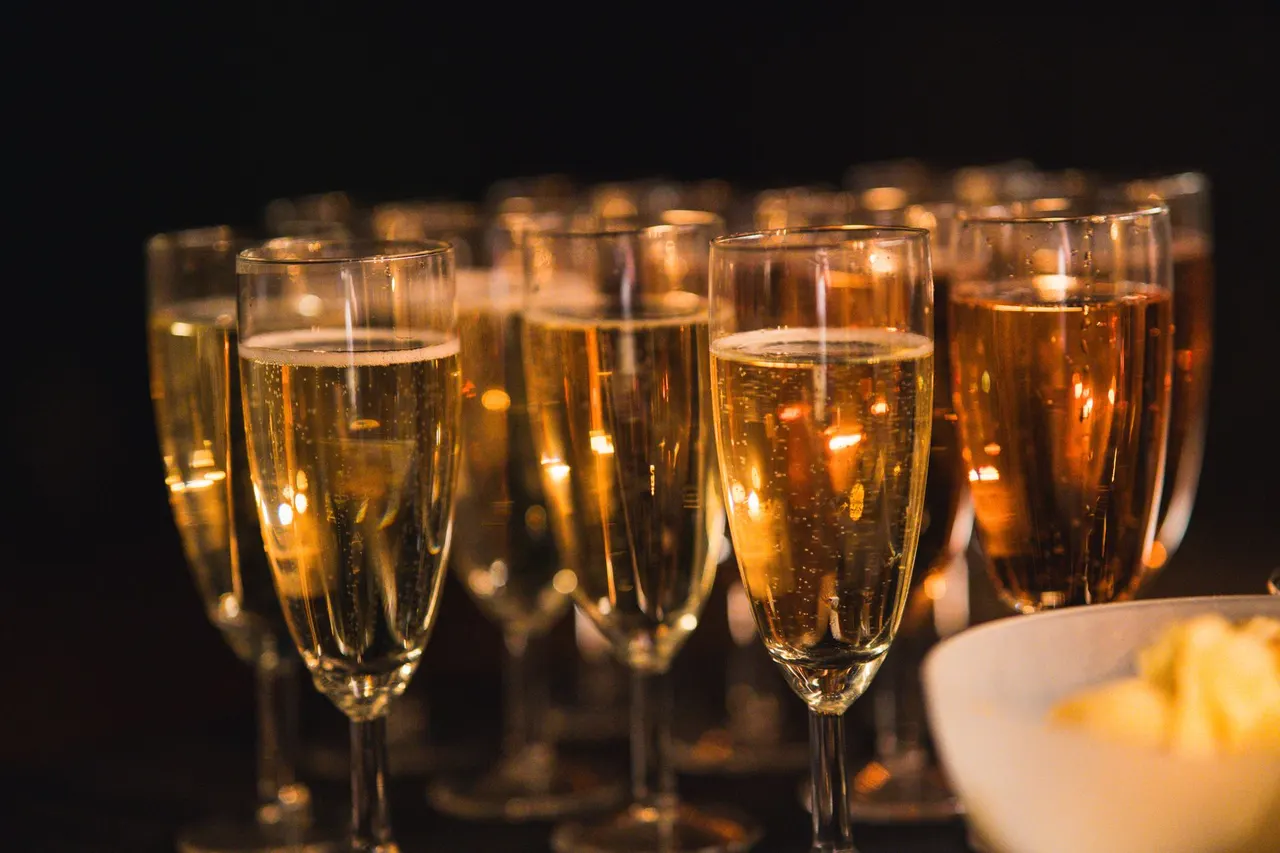
Why does champagne sparkle? Because it undergoes a second fermentation in the bottle. Here are the main steps of the traditional method (also known as the “méthode champenoise”), jargon-free.
1. The harvest
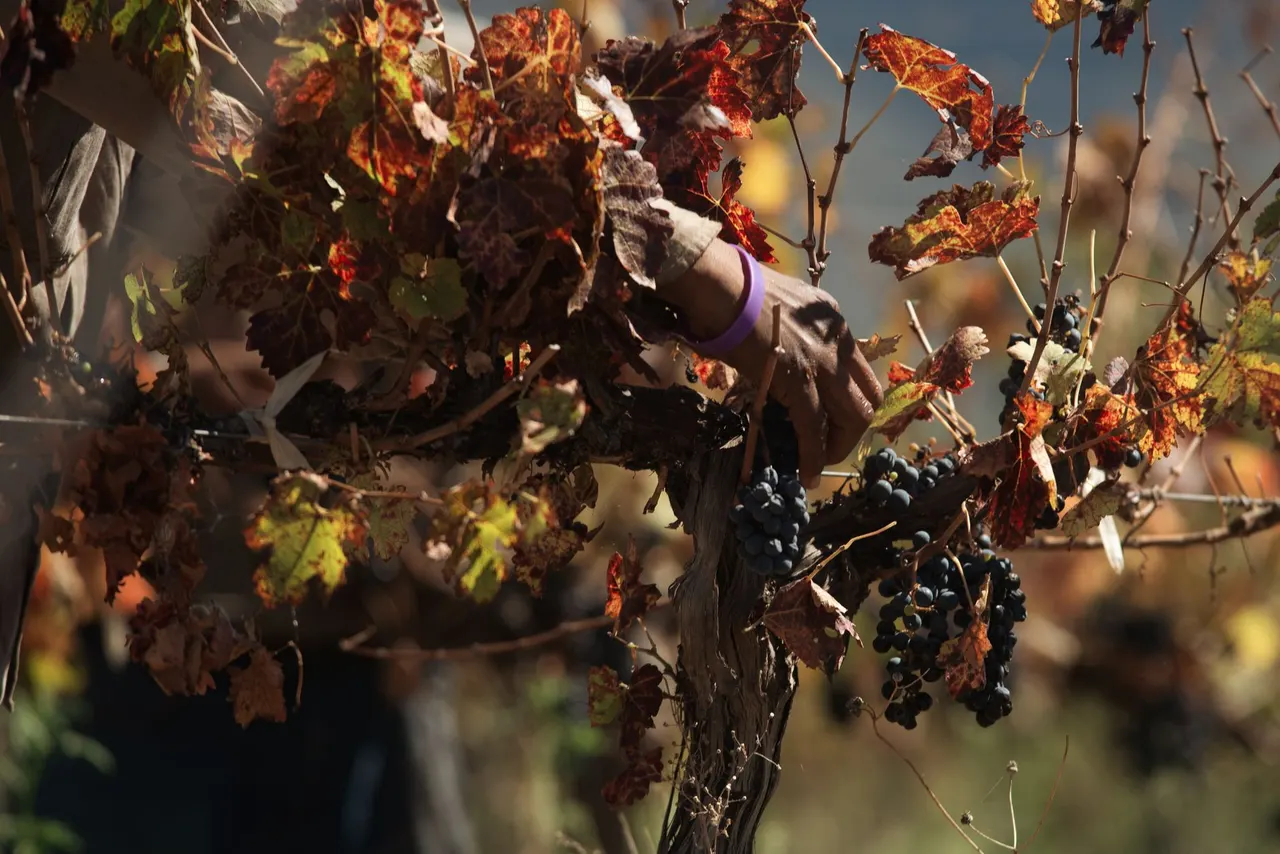
The grapes — chardonnay, pinot noir, pinot meunier (see the grape varieties of champagne) — are picked by hand and gently pressed to extract a clear juice.
2. The first fermentation
The juice ferments and turns into a still wine, dry and acidic: the “base wine”. At this stage, there are no bubbles yet.
3. The blending
This is the key moment for style: the cellar master blends different crus, grape varieties and sometimes vintages (using reserve wines) to create the cuvée that will become the house’s signature.
4. Bottling and the second fermentation
The wine is bottled together with a tirage liqueur (wine + sugar + yeast). A second fermentation then begins inside the bottle: the yeast converts the sugar into alcohol and carbon dioxide which, trapped inside, forms the bubbles. This is the prise de mousse, or foaming.
5. Ageing on the lees
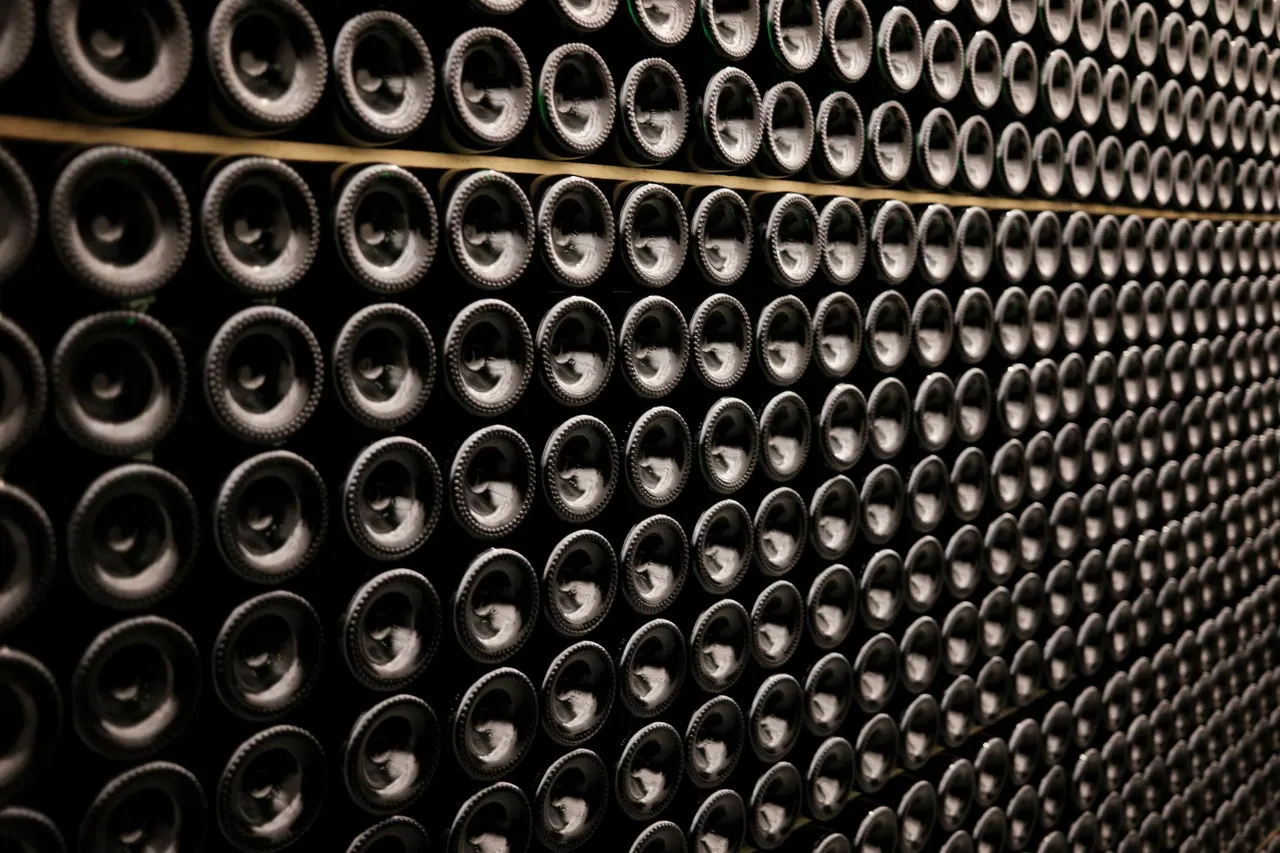
The bottles rest horizontally in the cellar for a minimum of 15 months (and 3 years for a vintage). The dead yeast cells break down (a process called autolysis) and give rise to the famous aromas of brioche and toasted bread.
6. Riddling
The yeast deposit then has to be gathered into the neck of the bottle. This is riddling, once done by hand on pupitres (riddling racks) and today often automated with a gyropalette.
7. Disgorgement and dosage
The neck is frozen, the plug of frozen deposit is expelled (disgorgement), and then the dosage liqueur is added (the dosage) which determines the final style: from brut nature (no sugar) to demi-sec. The bottle is finally corked and wired.
The result
This long process — much easier to understand when you see it for yourself — explains the price and complexity of champagne. All of these terms are gathered in our glossary. And to experience it for real, nothing beats a cellar tour.